Joe Lee_
[ Client: Ampeur ]
TEMPLATE VS. HEADLESS
SHOPIFY THEME
SHARED VISUAL DEFAULTS
PIXEL-SORT HERO
IMPOSSIBLE IN ANY SHOPIFY THEME
TEMPLATE LAYOUTS
CMS CONTROLS STRUCTURE
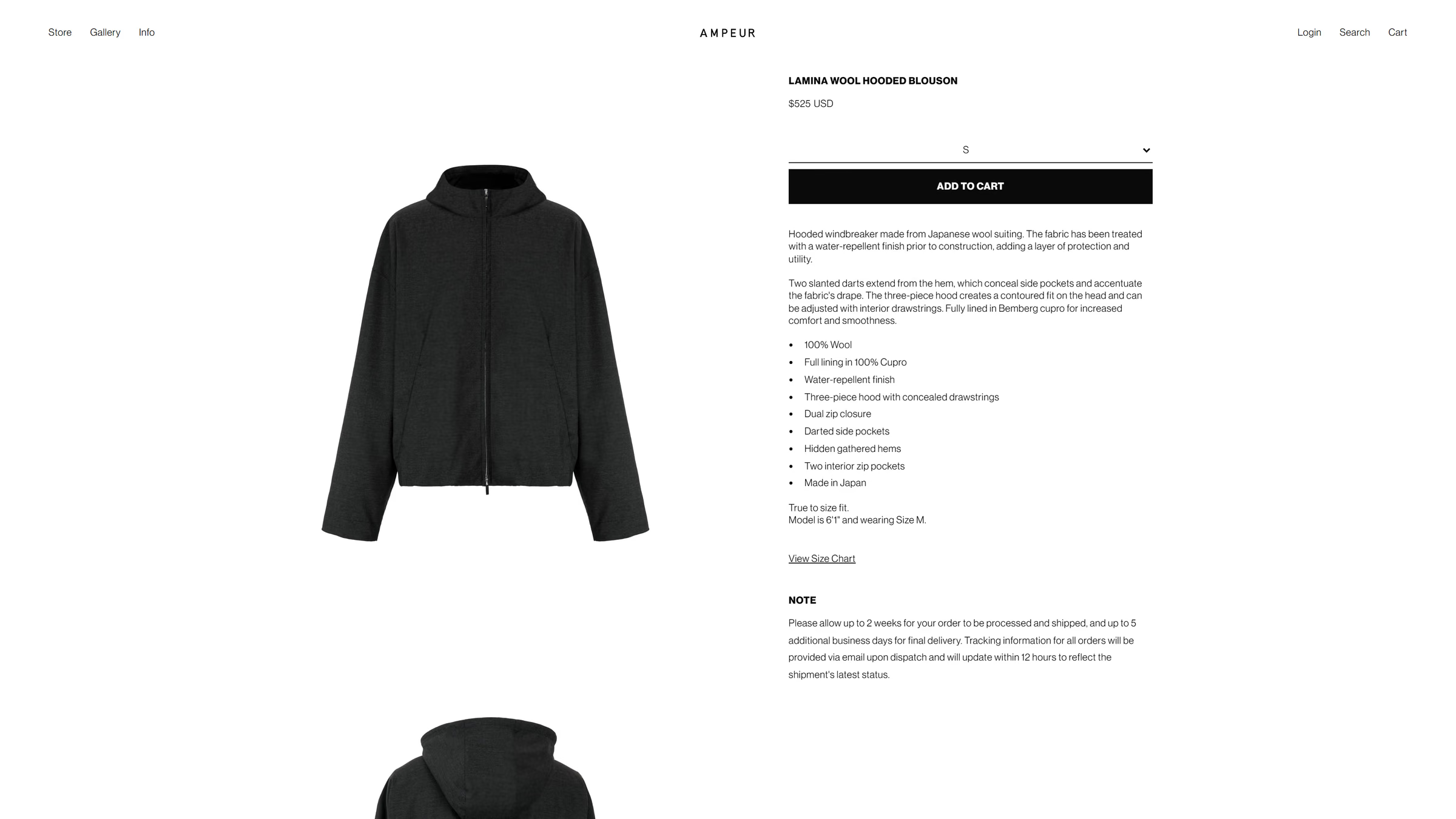
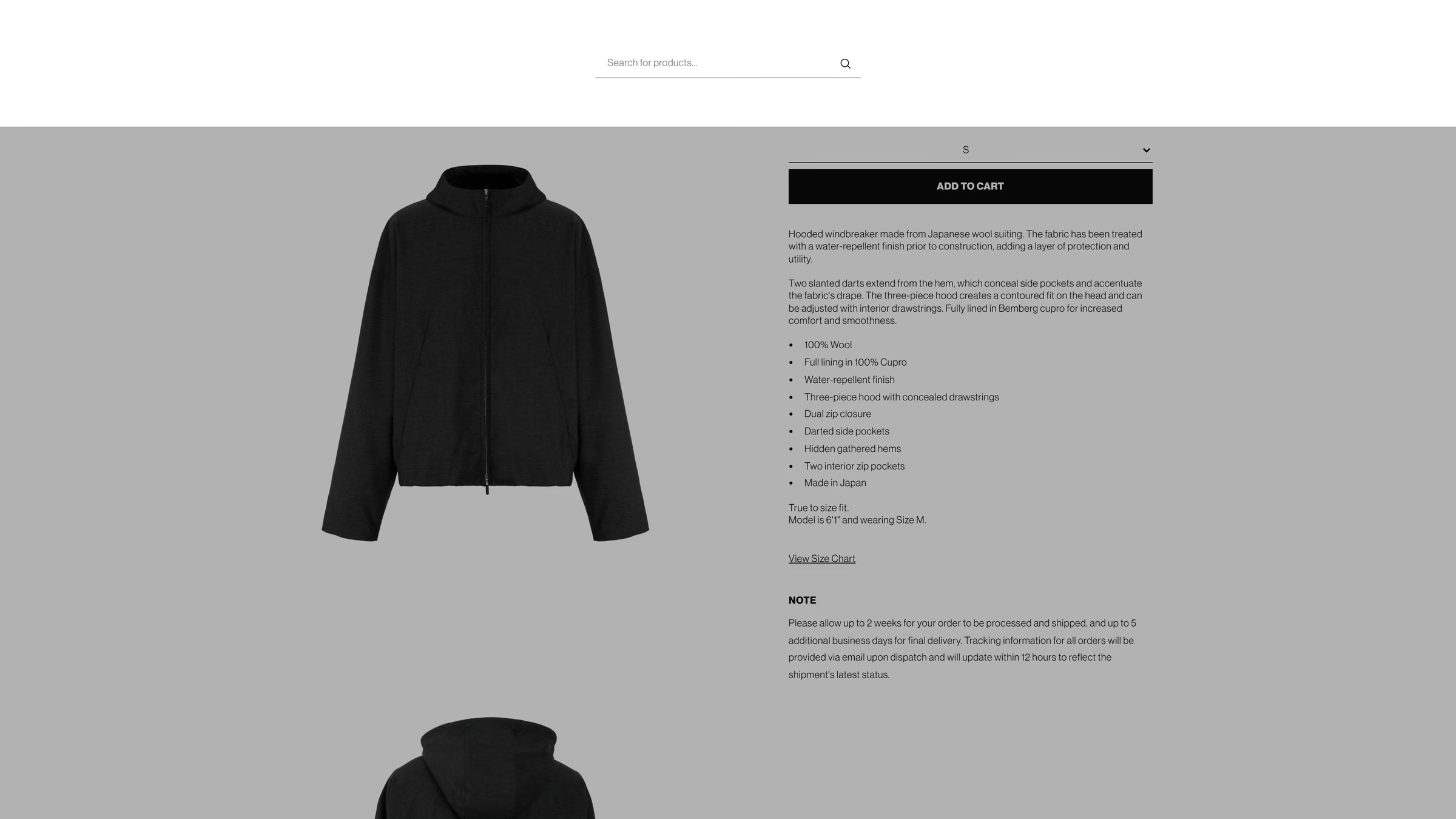
CUSTOM PRODUCT PAGES
BRAND CONTROLS EVERYTHING
SEPARATE MEDIA LIBRARY
EXTERNAL CMS REQUIRED
COLLECTION METAFIELDS
ONE SOURCE IN SHOPIFY ADMIN
SHOPIFY-HOSTED ACCOUNTS
CUSTOMER LEAVES YOUR DOMAIN
CUSTOMER ACCOUNT API
SEAMLESS ON-DOMAIN AUTH
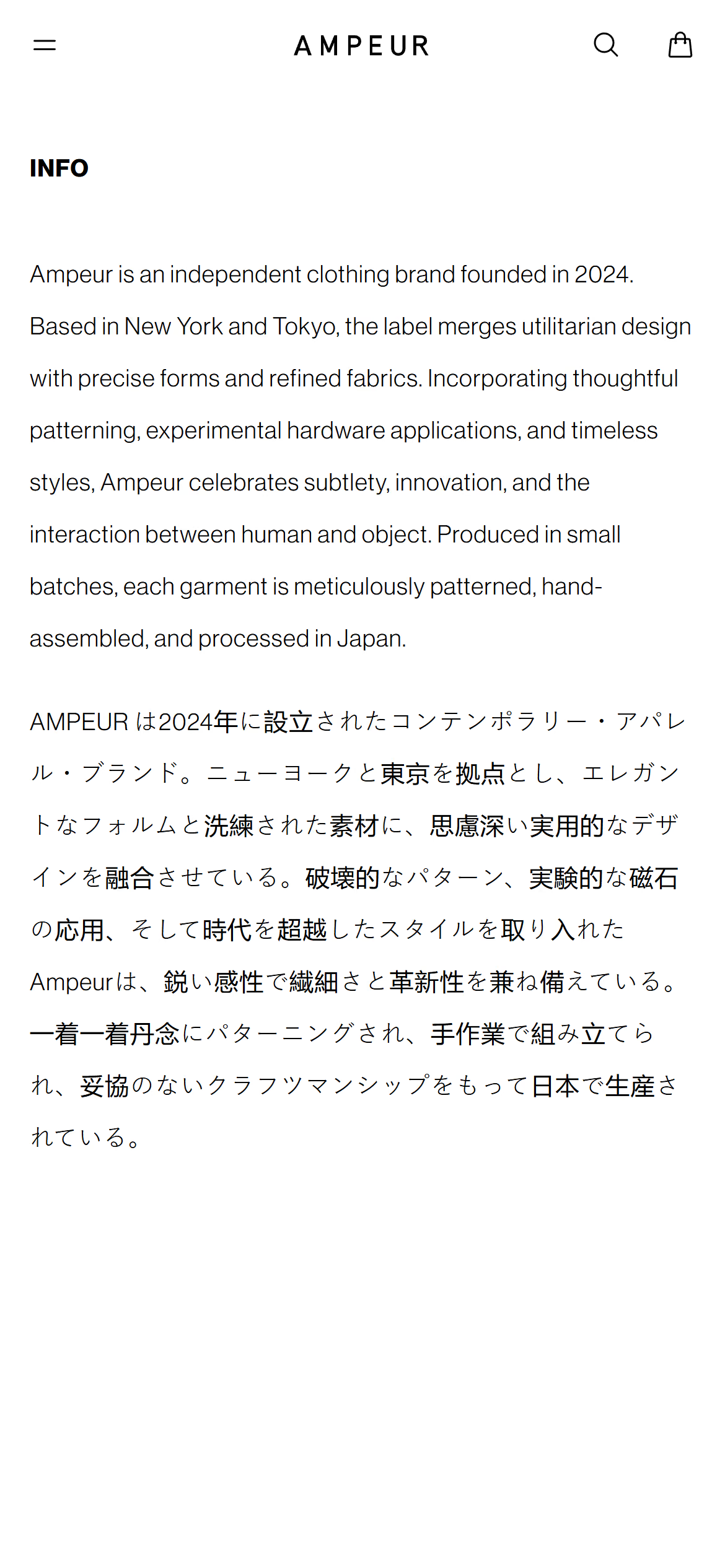
The Brand
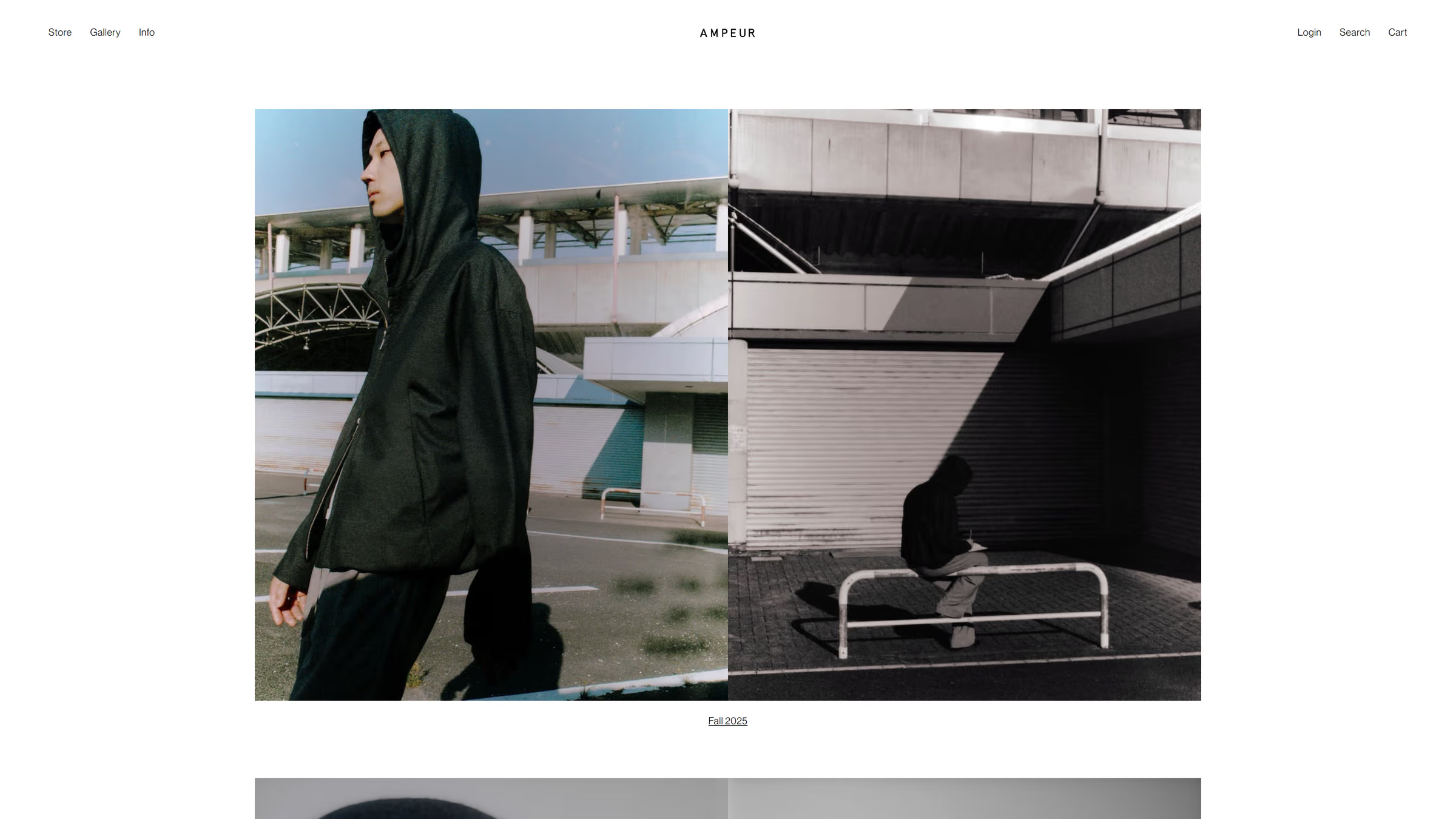
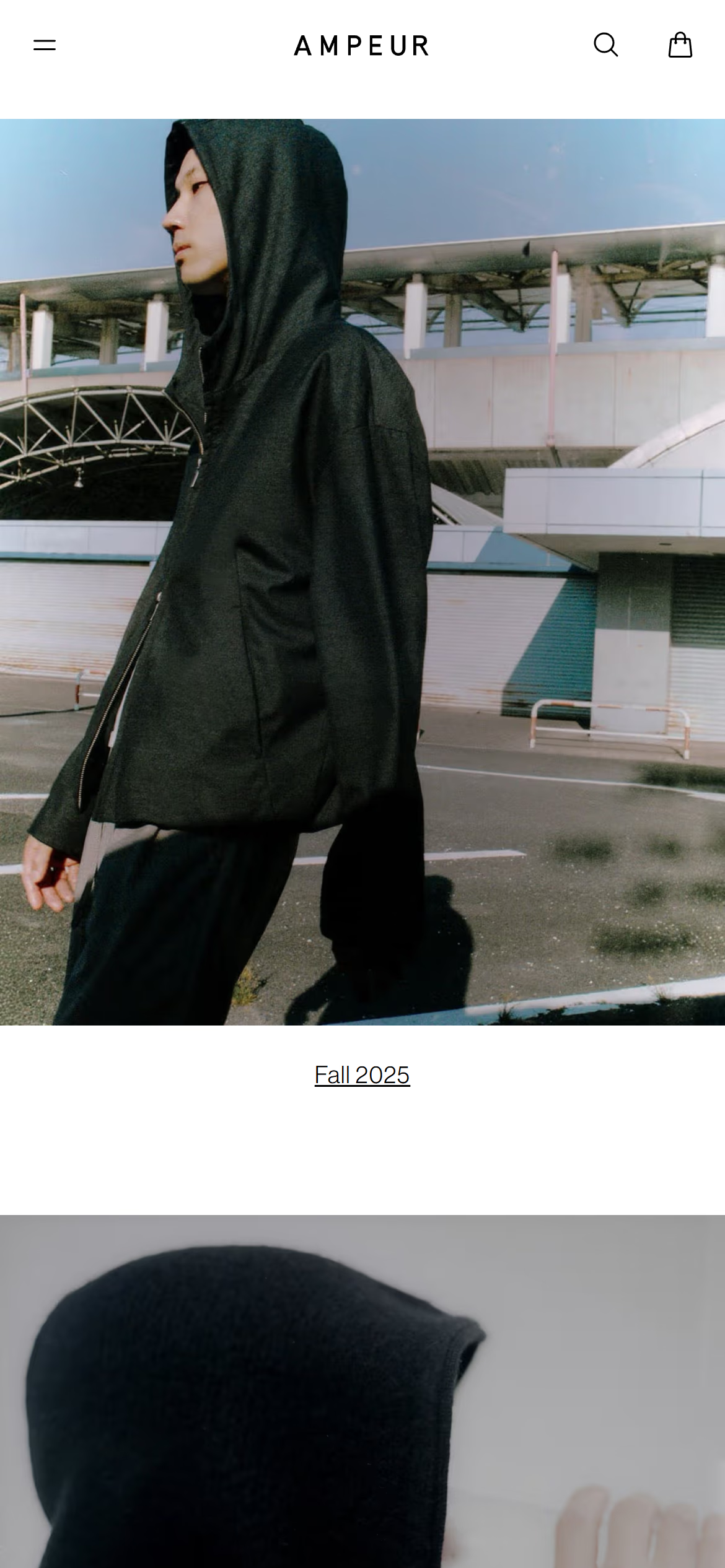
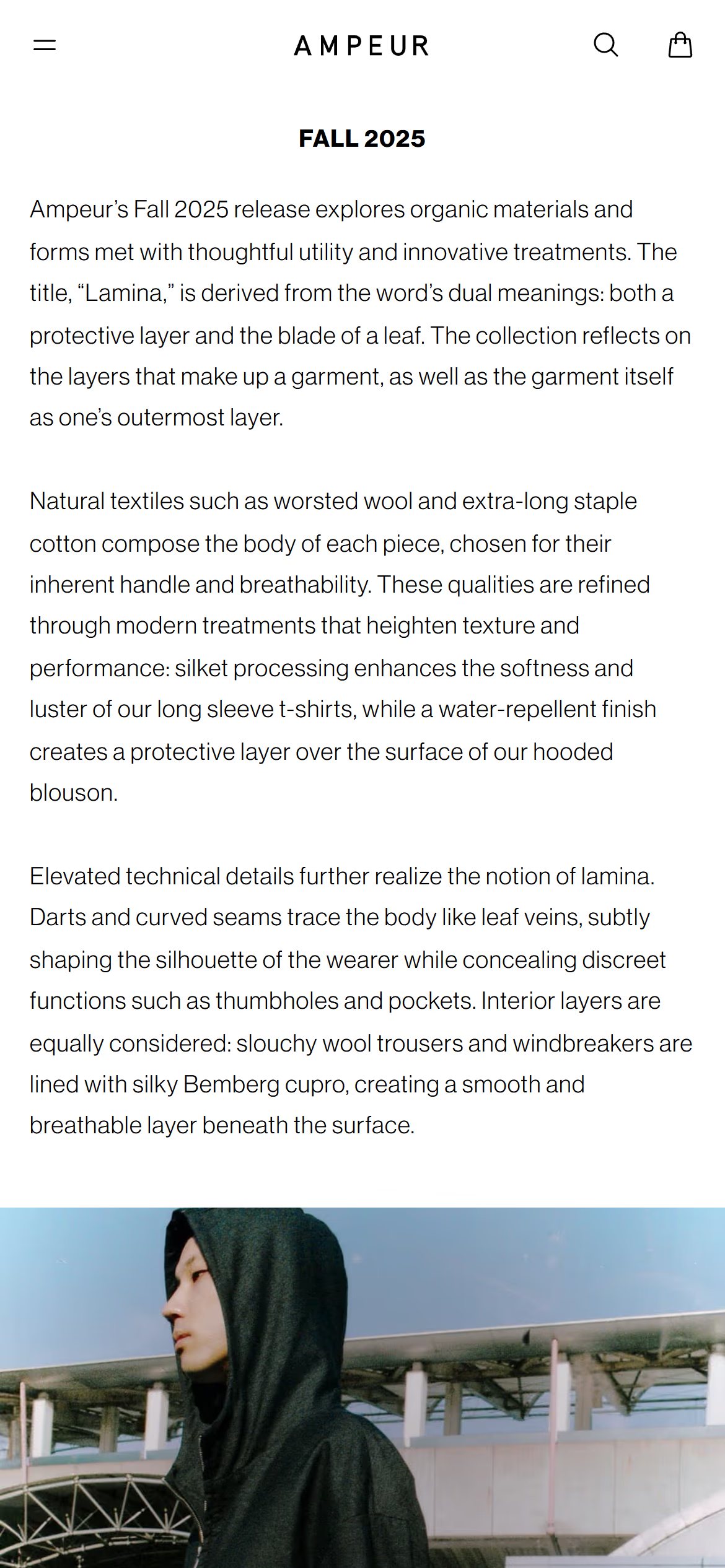
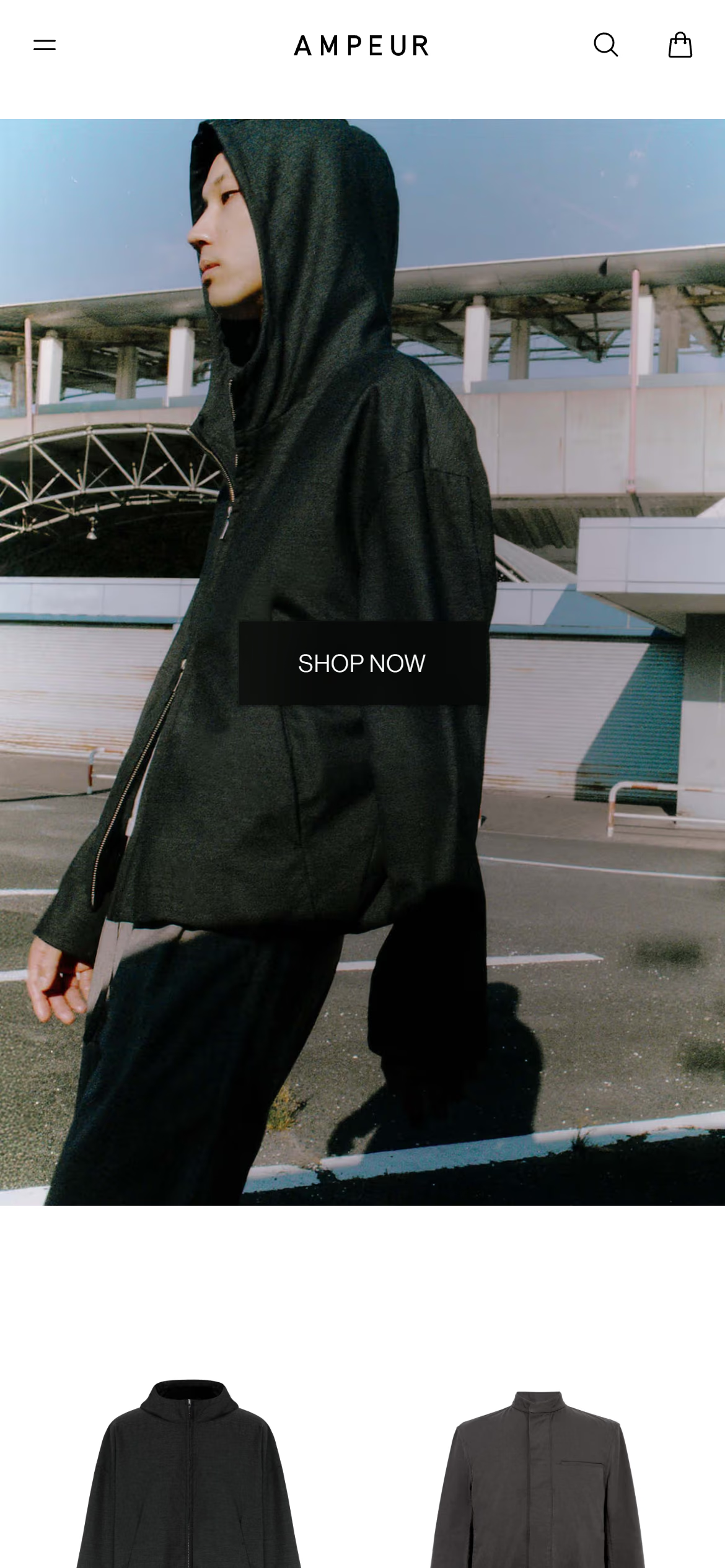
Ampeur is a fashion label where the photograph is the product. Not the garment in the photograph — the photograph. The image is where the brand’s identity lives, where the aesthetic is communicated, where the customer decides whether this is their world. Everything else exists to support that image.
Most fashion e-commerce is built around conversion optimization: clear product shots, prominent add-to-cart buttons, streamlined checkout. Ampeur’s question was different. What if the first thing you see on the site isn’t an invitation to buy, but an image that makes you want to? The answer required a storefront that could actually deliver on that premise. Shopify’s theme layer couldn’t.
The Visual Language
Move your cursor left on the Ampeur hero and the brand photograph starts to dissolve. Pixels migrate toward their neighbors. Colors streak along rows and columns. At the left edge, the image has sorted itself into pure abstraction — a glitch artifact that used to be a fashion photograph. Move right and it resolves back.
That interaction isn’t decorative. It’s the brand’s positioning made interactive. Ampeur exists at the edge between fashion photography and art direction. The hero shows you that before you’ve read a word.
SYSTEM ARCHITECTURE
CUSTOM LAYER
PIXEL-SORT HERO
EDITORIAL GALLERY
PRODUCT PAGES
CUSTOMER ACCOUNTS
CART & CHECKOUT UX
SHOPIFY LAYER
PAYMENTS
CHECKOUT · FRAUD
INVENTORY
STOCK · VARIANTS
CUSTOMER DATA
AUTH · ORDERS
STOREFRONT API
GRAPHQL
METAFIELDS
EDITORIAL URLS
On Shopify as Infrastructure
Shopify is an excellent piece of commerce infrastructure. It handles payments, inventory, fraud detection, and customer data at scale. It also has a visual layer designed to be a reasonable default for every possible kind of online store. Ampeur is not every possible kind of online store.
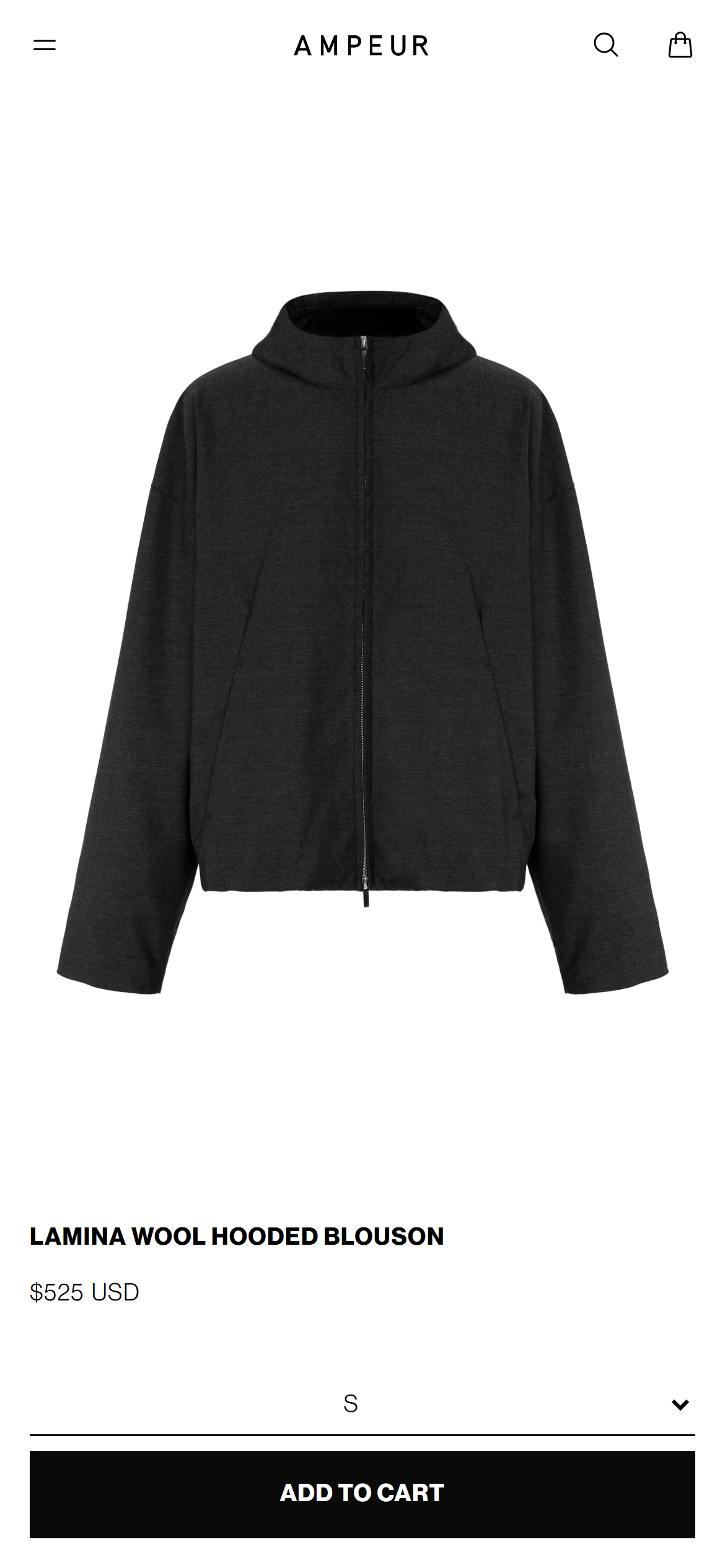
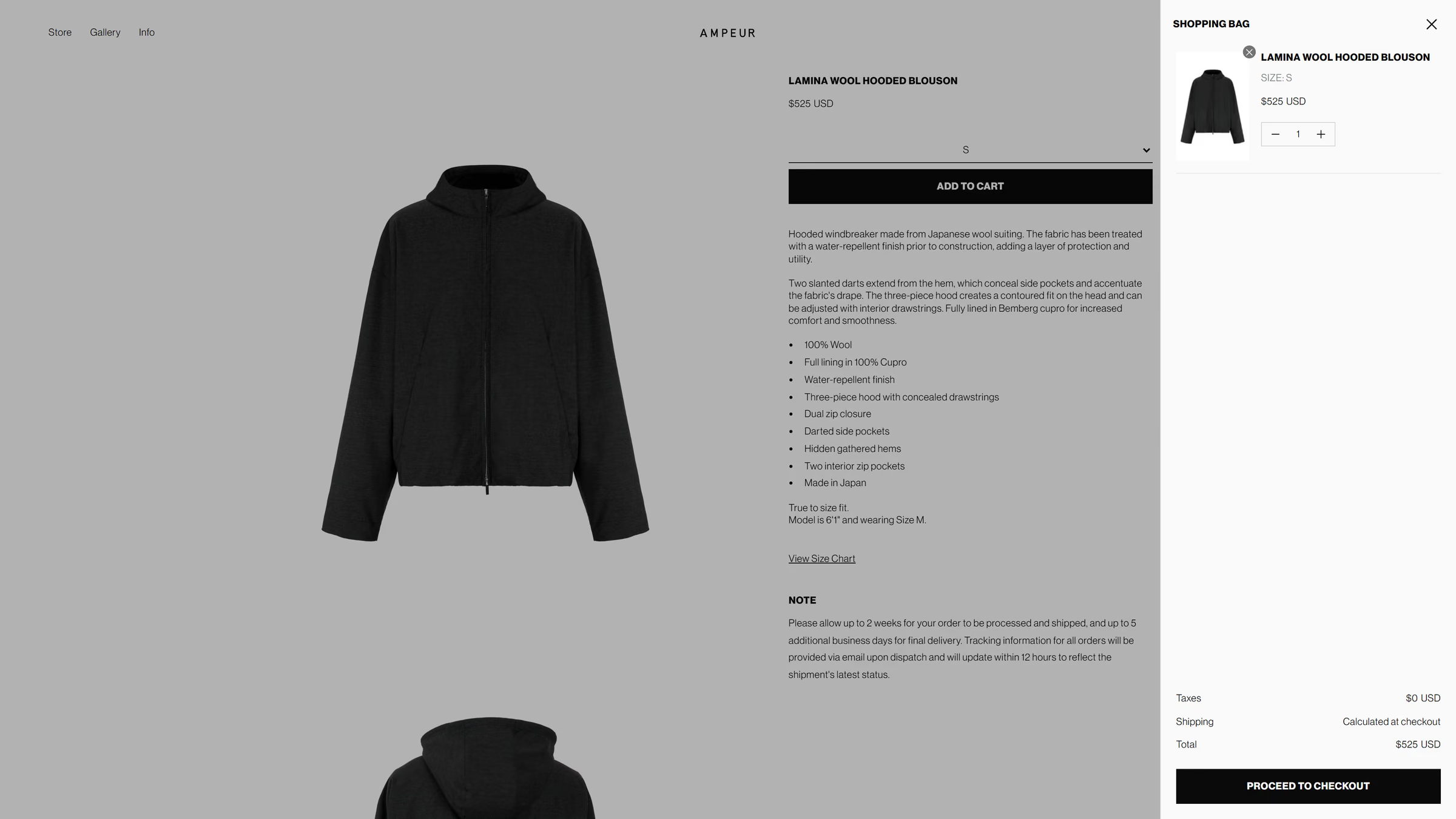
Headless commerce decouples these two things: the commerce infrastructure and the commerce experience. Product data, inventory, cart, and checkout all stay in Shopify. Everything the customer sees is built custom, connected via API. It’s the only architectural choice that gives the brand full ownership over its visual identity.
STOREFRONT DATA FLOW
SHOPIFY ADMIN
PRODUCT & COLLECTION DATA
STOREFRONT API
GRAPHQL AT REQUEST TIME
SERVER COMPONENT
SSR · NO CLIENT ROUND-TRIP
CUSTOM FRONTEND
BRAND-OWNED EXPERIENCE
PRODUCTS
ACCOUNTS
EDITORIAL GALLERY
COLLECTION METAFIELDS
CUSTOMER ACCOUNTS
ON-DOMAIN AUTH · ORDERS
CUSTOMER NEVER HITS A SHOPIFY-HOSTED PAGE
The Storefront Experience
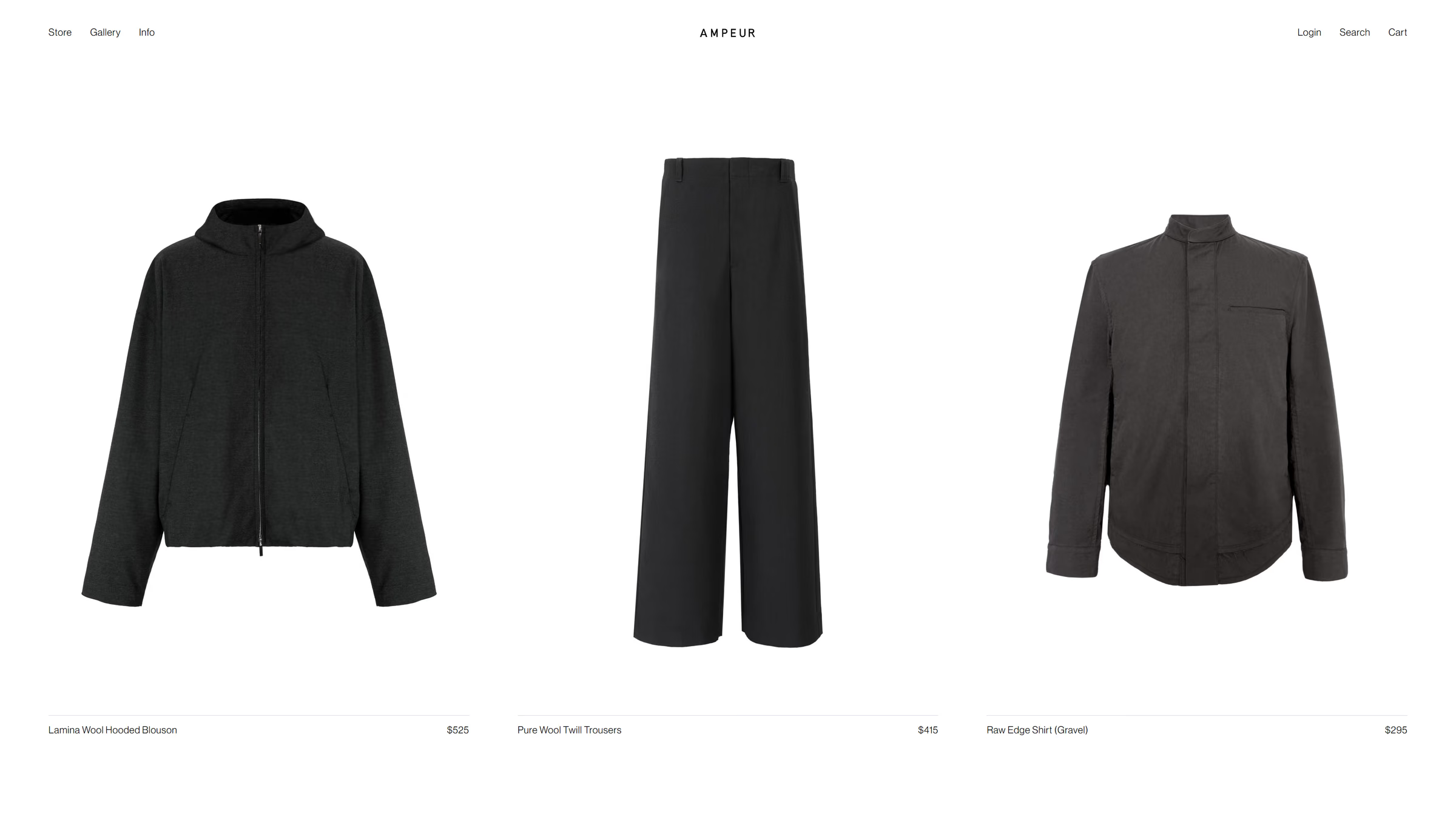
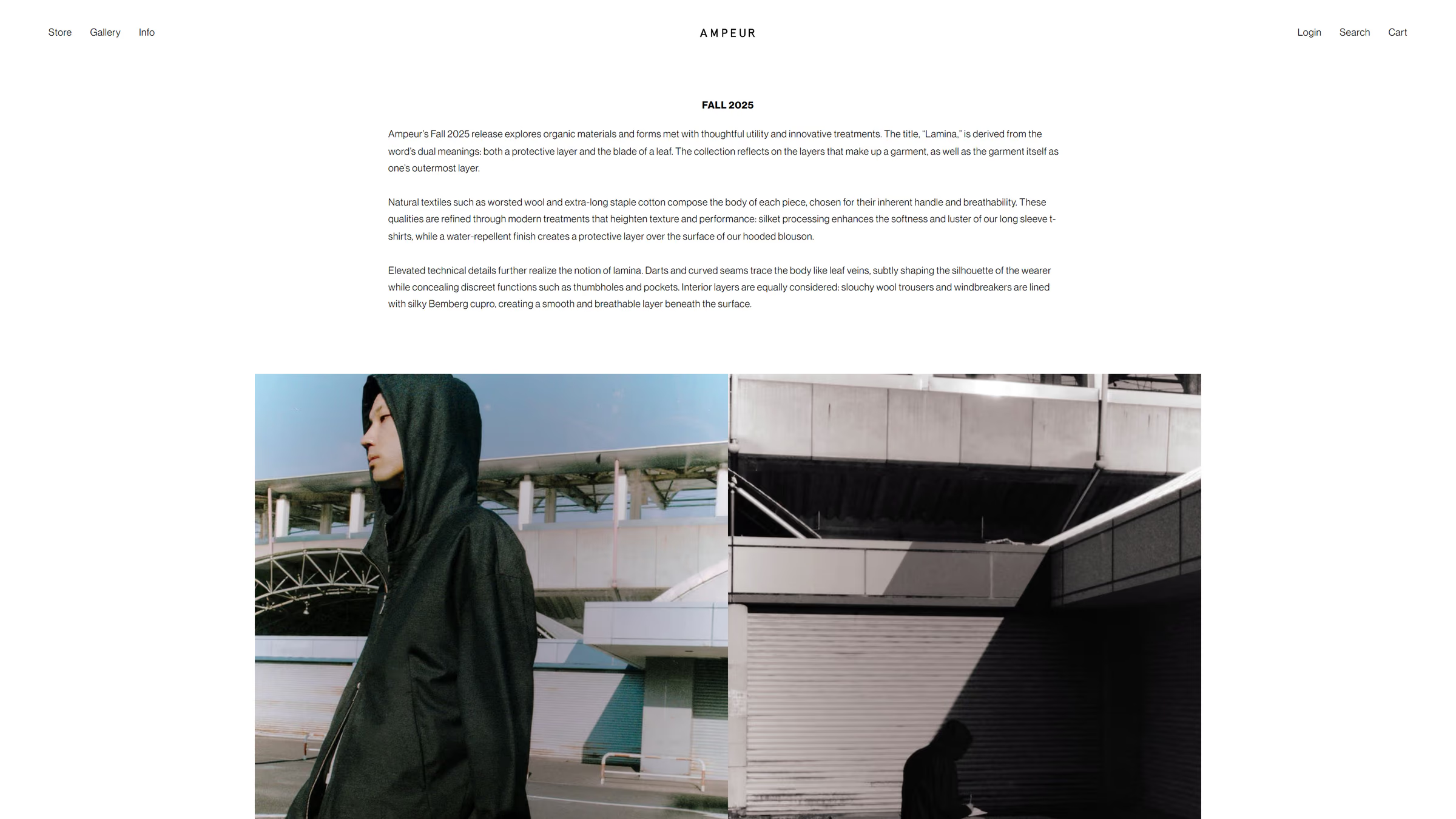
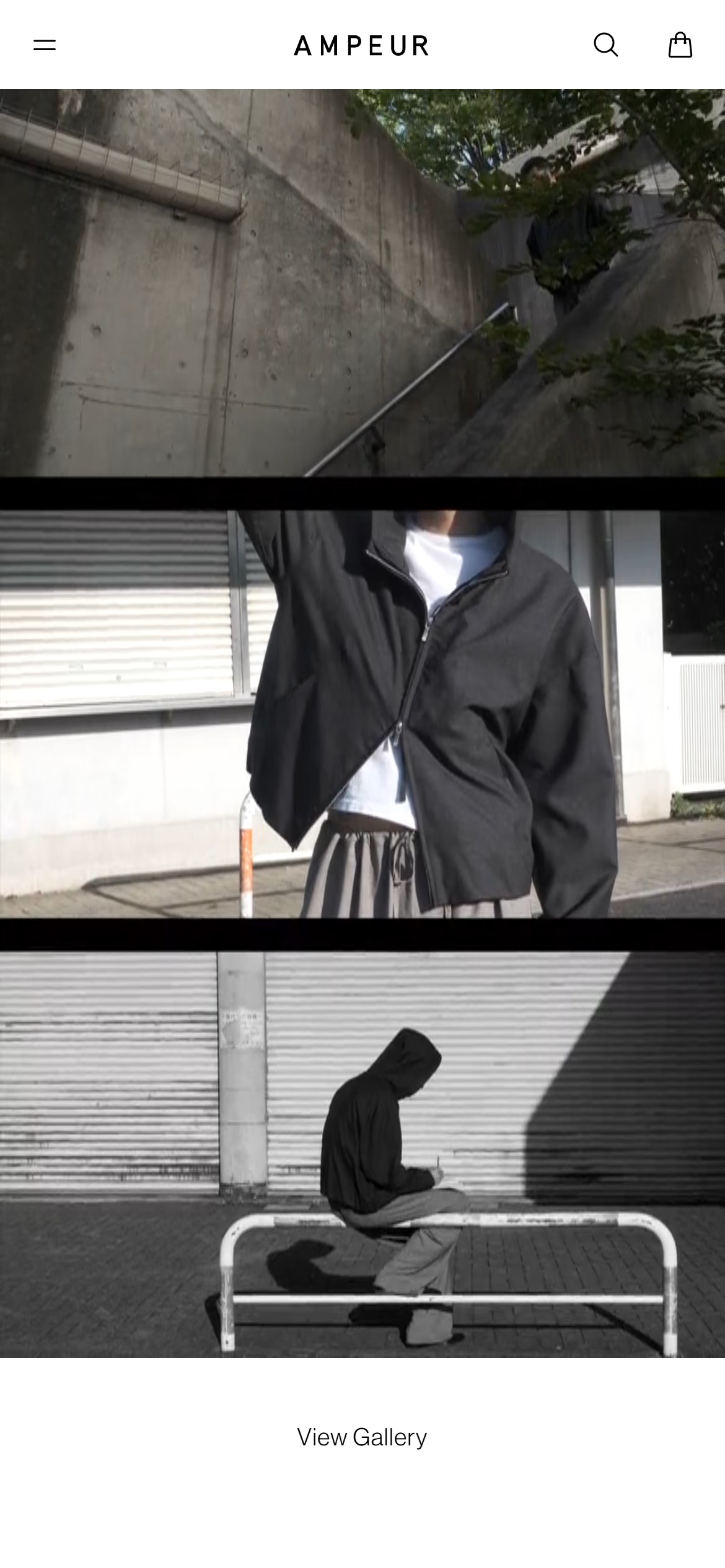
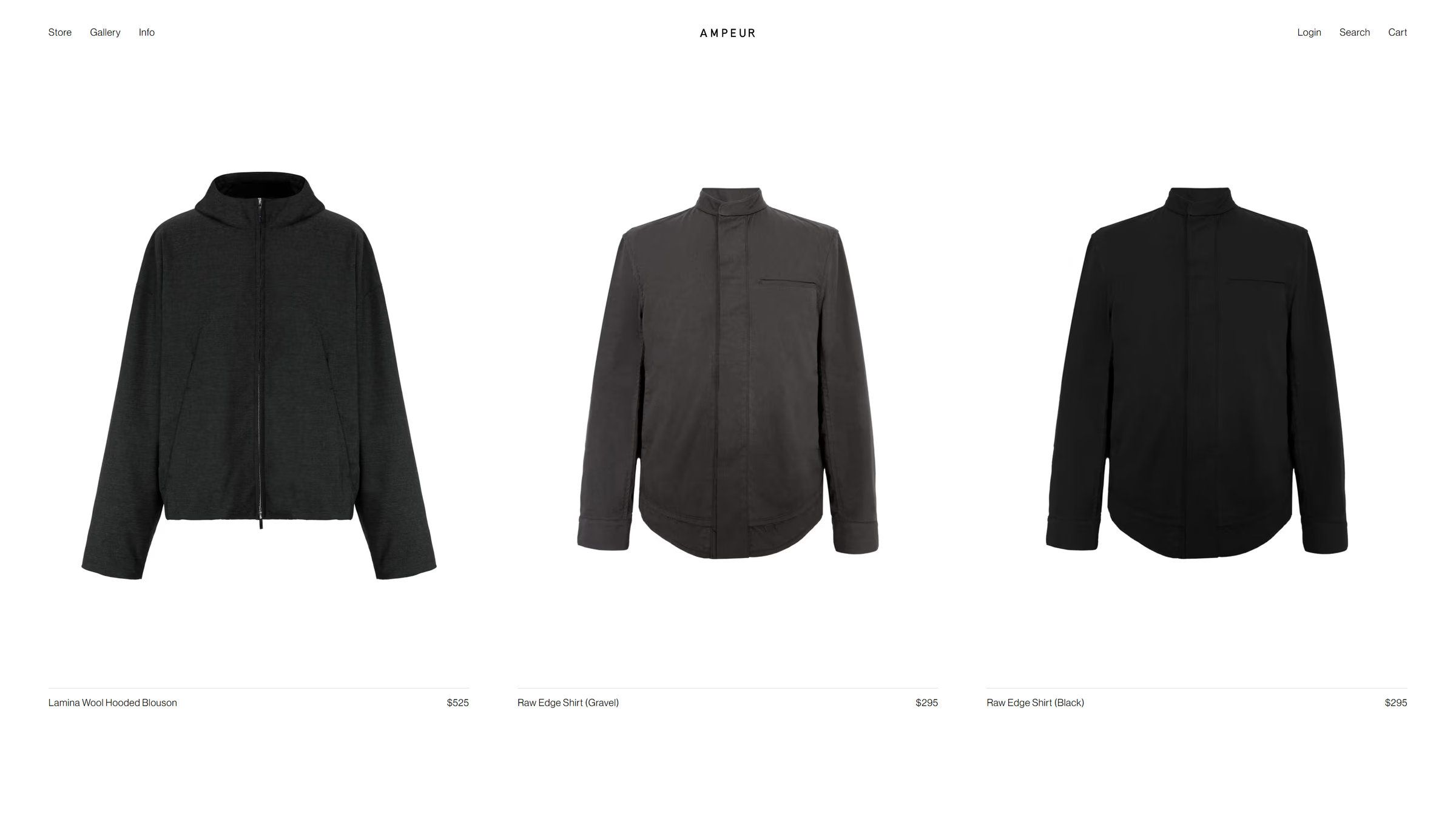
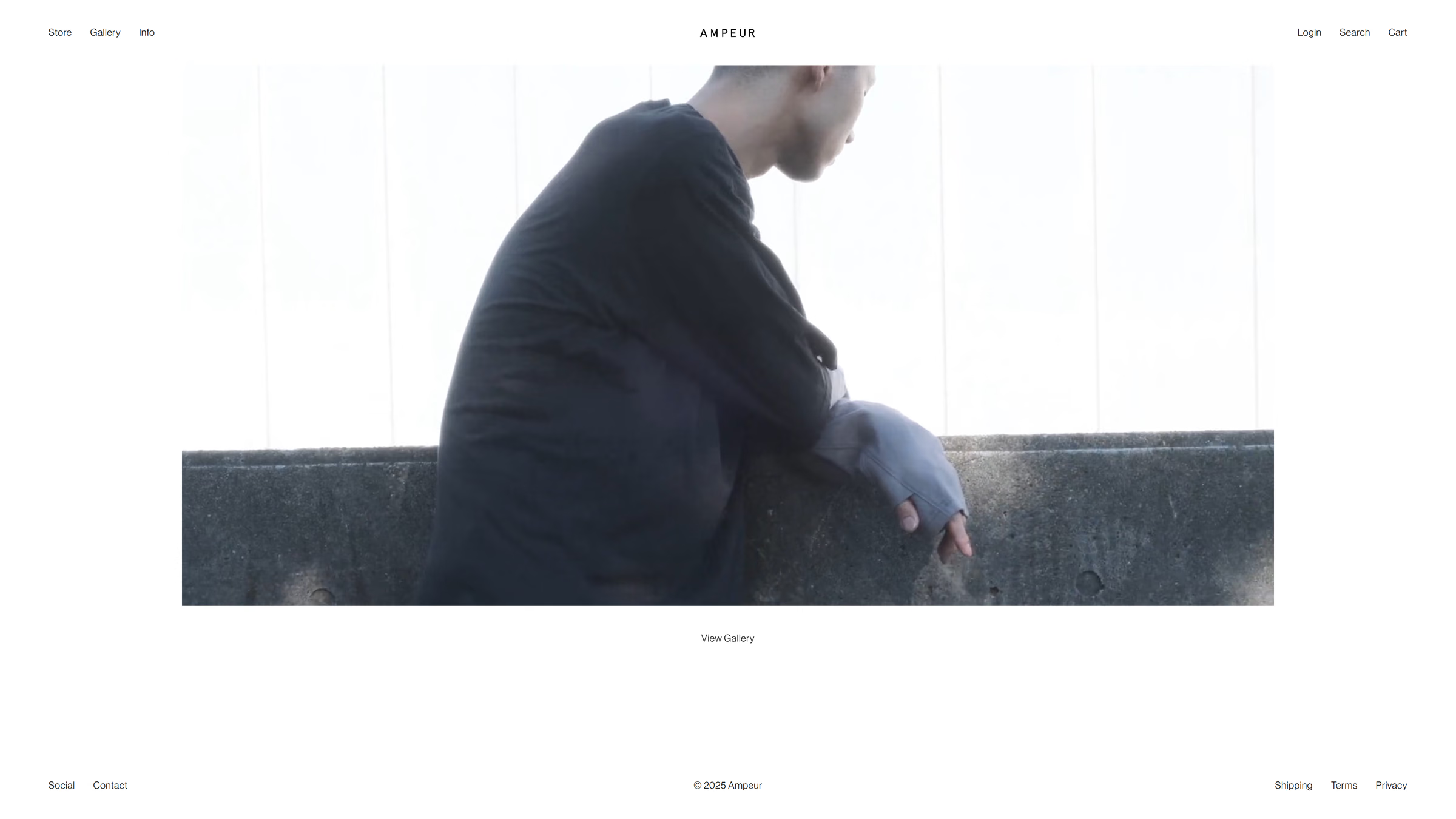
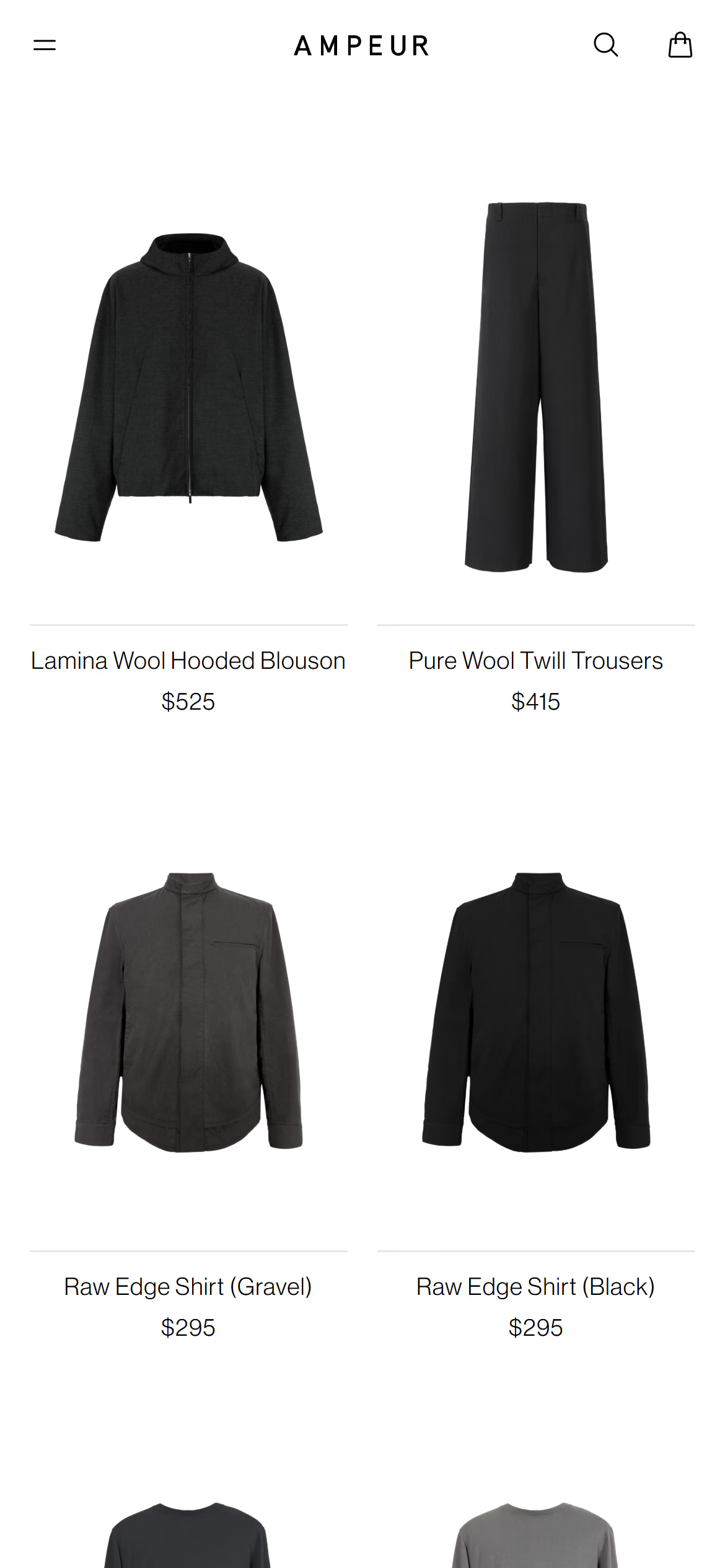
The product catalog is server-rendered. Data fetches from Shopify’s Storefront API at request time. The editorial gallery presents the brand’s photography as a collection-based showcase — each Shopify collection carries a metafield with a JSON array of image URLs. No external CMS. No third-party media library.
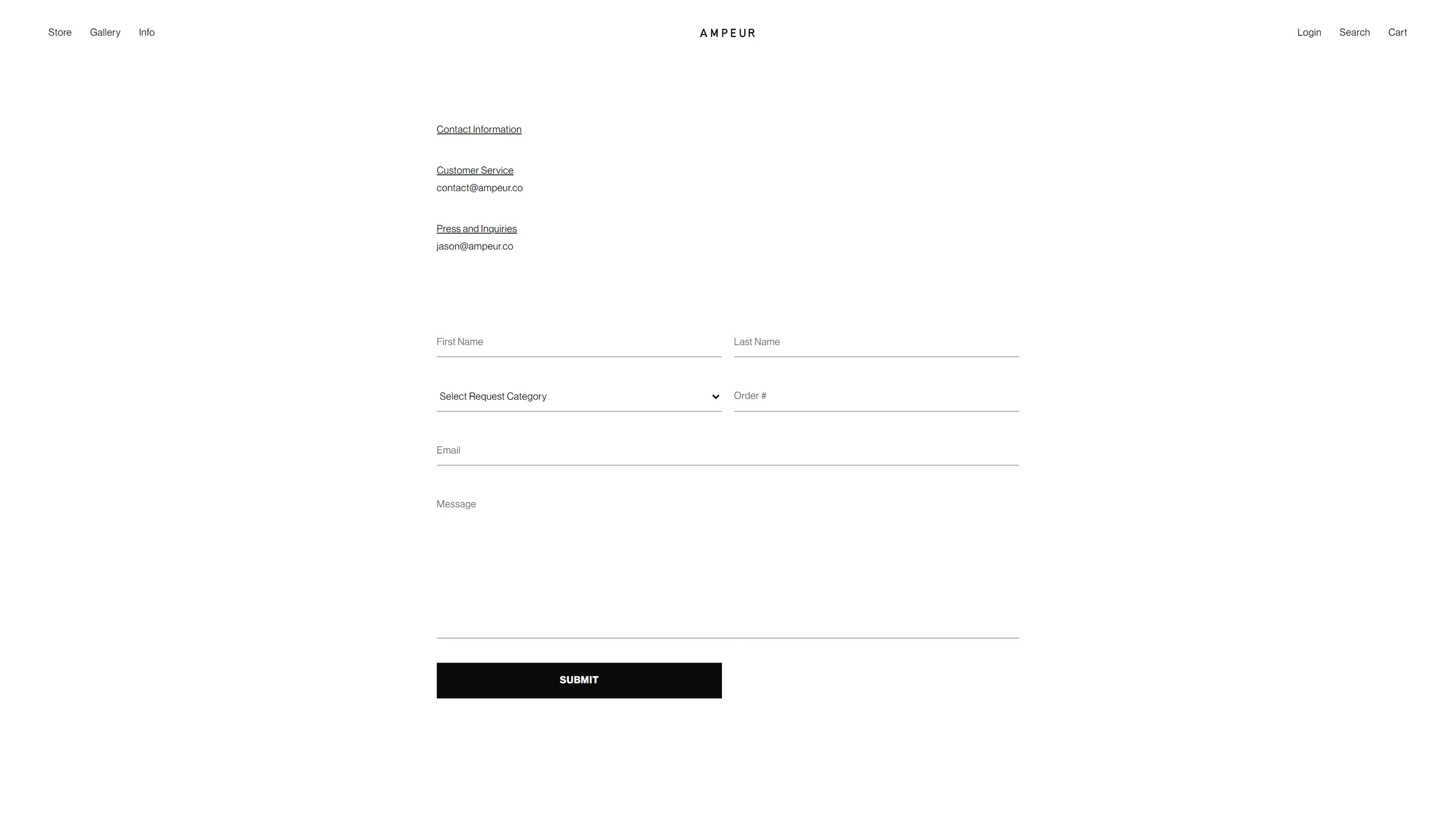
Customer accounts run through Shopify’s Customer Account API. Login, order history, and address management are fully integrated into the headless frontend. The customer never hits a Shopify-hosted page. The seams between systems are our problem to manage, not theirs to notice.
Project Gallery